It’s that time of month again, PMS and painful period cramps. Maybe you spend a day or two with a hot water bottle on the couch, or maybe you’re able to fight through it; we know, some months are just tougher than others. Menstruation and the pain that accompanies it, is the result of a complex set of biochemical reactions between the endocrine, vascular, and immune systems.
Our hormones are in constant fluctuation, giving each other feedback and signalling glands to release hormones, or decrease production. Endocrine disruptors – compounds that interfere with our normal hormone functioning – can be found in the things we eat, breathe, within personal care and cleaning products, and even in our mattresses!
Unless you’re living in a dreamy log cabin in a pristine forest, toxins have a way of finding us. Hormone disruptors are found in cigarette smoke, alcohol, personal care and cleaning products, harmful pesticides, and environmental toxins like pollution from vehicles and industry.
Let’s focus on some of the things that we have more control over.
Hormone Healthy Food Sources
When it comes to diet, choose real, whole, nutrient-dense foods as often as possible. Incorporating these hormone healthy options can help ease dysmenorrhea and PMS symptoms.
Cruciferous vegetables like broccoli, cauliflower, cabbage, and kale contain Indole-3-Carbinol (I-3-C), which has been shown to suppress the development of xenoestrogens, or “bad” estrogens. Xenoestrogens are chemically-based synthetic estrogens that are found in everything from our food, drinking water and cleaning products, to plastics and beyond. I-3-C containing foods help to detoxify these estrogens and support the liver.
Research suggests that the supplemental form of Myo-Inositol may have numerous health benefits including balancing blood sugar, regulating hormones, decreasing feelings of low mood and even relieving symptoms of Polycystic Ovarian Syndrome (PCOS). Inositol can be found in small amounts of some fibre-rich foods as well as beans, cantaloupe and citrus fruits.
Omega-3 fatty acids sourced from wild caught fish, walnuts, chia and flax seeds, can help decrease inflammation and the resulting pain. EPA and DHA have shown promising research in the management of low mood that accompanies PMS, and cholesterol regulation important for healthy cortisol and sex hormones.
Crucial vitamins and minerals
Magnesium is important for calming the mind and easing muscle cramps (among its hundreds of other responsibilities). Traditionally, we’ve relied on legumes, grains and greens for magnesium. But thanks to modern agricultural practices, our soil has been depleted of nutrients over the last 50 years. Nuts and seeds, dark chocolate, avocados and leafy greens are your best bet for a little bump in magnesium. If you think you may be deficient, opting for a supplement may be best.
Zinc is involved in hundreds of reactions in the body, most notably contributing to immune function. It’s also important for blood sugar levels, healthy thyroid function and reproductive health. The best food sources are meats, eggs, seafood, sprouted beans and legumes, nuts and seeds.
Vitamin D, the sunshine vitamin, is found in mushrooms, fatty fish, egg yolks, butter, kidney and liver (from a high quality meat source). It is most notably known for its part in immune function but acts more like a hormone in the body. Sufficient levels of vitamin D intake is correlated with a decreased instance of PMS symptoms.
What does a hormone healthy meal look like?
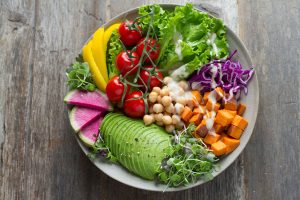
Throw these foods together and you’ve got a delightful dinner! Wild pacific salmon topped with lemony kale & pine nut pesto, green leafy salad with pumpkin seeds, avocado, colourful veggies & red cabbage, drizzled with a lemon, garlic, olive/flax oil dressing. Check out more recipes here.
Why am I experiencing painful periods?
The dreadful cramping and pain that comes along with your period – dysmenorrhea, may be caused solely by the uterine contractions that come along with your period (primary dysmenorrhea) that radiate into the lower back and down into the thighs. The pain may be present with other symptoms including nausea, migraines, fatigue and/or diarrhea.
It may also be caused by a secondary disorder (secondary dysmenorrhea), such as endometriosis, ovarian cysts, uterine fibroids or infection, and may be more intense than primary dysmenorrhea.
Listen to your body. It may be telling you something. Tracking your symptoms in an app or journal could be helpful in the fight against PMS and painful periods. Levels of progesterone, estrogen, and prostaglandins, inflammation and cortisol among others can provide some insight. An MD and ND may be able to assess what’s going on based on symptoms, or they may choose to run some hormone tests.
Hormonal Imbalance and Dysmenorrhea
A 2016 study involved hundreds of women with and without PMS concluded that women with low progesterone, testosterone, T4 levels and high prolactin levels were significantly more likely to experience PMS symptoms. Low progesterone levels may also be the cause of dysmenorrhea.
Progesterone helps to relax smooth uterine muscle, while lower levels or deficiency may cause stronger uterine contractions. This hormone is produced and released by the ovaries in response to luteinizing hormone (LH), prolactin, and may be affected by hypothyroidism. Chasteberry (Vitex) may be helpful in increasing progesterone levels.
Stress is a major influencer when it comes to balanced hormones. Cholesterol is used to produce adrenal hormones (such as cortisol), sex hormones and vitamin D. For survival purposes, if you’re stressed out, using cholesterol to create cortisol takes priority over sex hormones. This could lead to a decrease in progesterone, estrogen and testosterone production.
Inflammation and Dysmenorrhea
C-Reactive Protein (CRP) and prostaglandins are an indication of inflammation in the body, both have been found to increase on day 1 of the menstrual cycle resulting in painful period cramps.
Prostaglandins are a group of lipids that are produced at the site of tissue damage to manage blood flow, clotting, as well as cause sensitivity to pain and increase inflammation to facilitate the healing process. High levels of prostaglandins are associated with stronger uterine contractions resulting in painful menstruation.
NSAID medications inhibit the production of prostaglandins (via COX-2 inhibition); both ginger and cinnamon have been studied head-to-head against NSAID medications and have proven effective with an impressive safety profile.
Stay up-to-date on women-specific health issues by subscribing here.
References
- https://www.health.harvard.edu/blog/omega-3-fatty-acids-for-mood-disorders-2018080314414
- https://www.medicalnewstoday.com/articles/319651
- https://www.yourhormones.info/
- https://helloclue.com/articles
- https://www.ewg.org/research/dirty-dozen-list-endocrine-disruptors
- https://www.ncbi.nlm.nih.gov/books/NBK279054/
- https://lpi.oregonstate.edu/mic/dietary-factors/phytochemicals/indole-3-carbinol