Birth control has given women the freedom to plan, ease painful cycles and feel more connected to their bodies. For many, it’s been a source of confidence and control that’s made life feel simpler, steadier and more predictable.
But there may come a time when you’re ready to move on. Maybe you’re planning for pregnancy, managing side effects, or just want to reconnect with your body’s natural rhythm. Whatever your reason, coming off hormonal birth control is a personal transition and it helps to know what’s happening inside your body and how to support your hormones as they find balance again.
What happens to your body on birth control?
Your brain is in charge of your menstrual cycle through a feedback loop between the hypothalamus, pituitary gland and ovaries. These areas release hormones that signal your ovaries to mature and release an egg each month. That’s ovulation.
Hormonal birth control steps in to interrupt this process. The steady dose of synthetic estrogen and progesterone (known as ethinyl estradiol and progestin) mimics your body’s own hormones, sending the signal that ovulation has already happened. Progestin also thickens cervical mucus to block sperm and thins the uterine lining to make implantation less likely.
Preparing your body to come off birth control
When you stop hormonal birth control, your body begins to find its natural rhythm again. During this adjustment, hormone production and nutrient levels can shift, so it’s important to give your body extra care. Nourishing foods, good sleep and key nutrients can all help make the transition feel smoother and more balanced.
Stress and sleep
Coming off birth control can temporarily affect stress levels and sleep quality. Shifting levels of estrogen and progesterone can influence the calming brain chemicals GABA and serotonin, which may lead to restlessness or lighter sleep.
Magnesium helps calm the nervous system, regulate stress hormones and support deep, restorative sleep. You can find it in foods like leafy greens, pumpkin seeds, avocado and almonds.
Energy and metabolism
Feeling a little more tired than usual after coming off birth control is common. Some contraceptives can lower B vitamin levels, which play an important role in energy production, mood and how your body handles stress during hormonal changes.
Replenish these nutrients with foods like eggs, legumes, whole grains and leafy greens.
Gut health and hormones
Your gut and hormones are closely connected. Inside your gut lives a group of bacteria called the estrobolome, which helps your body metabolize and recycle estrogen. When you come off birth control, your gut may need time to rebalance, and shifts in hormones can sometimes cause bloating, irregular digestion or discomfort.
Support your gut naturally with probiotic-rich foods like fermented yogurt, kefir, sauerkraut and kimchi, which are all rich in friendly bacteria that keep digestion on track.
Blood sugar and energy stability
Estrogen and progesterone both play a role in how your body manages blood sugar. When you come off birth control, these hormones can fluctuate, sometimes leading to dips in energy, stronger cravings or mood changes. Keeping blood sugar steady helps you feel more balanced throughout the day.
Focus on meals that include protein, fibre and healthy fats, and try to limit refined sugars and processed foods that cause spikes and crashes.
Overall balance
It can take a little time for your hormones to find their natural rhythm again after coming off birth control, so patience and gentle support can go a long way.
CanPrev’s Healthy Hormones is designed to help guide this natural reset. Featuring herbs like chasteberry and black cohosh, and nutrients like indole-3-carbinol (I3C), magnesium, and vitamins B6 and D3 – this powerful combination can help to stabilise menstrual cycle irregularities and relieve premenstrual symptoms. Healthy Hormones can also help to promote healthy estrogen metabolism.
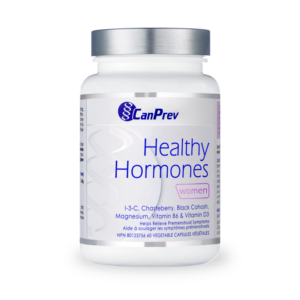
Together, these ingredients help bring your hormones back into harmony and support a smoother, more comfortable transition.
When to seek extra support
Every woman’s experience coming off birth control is unique. Some notice only minor changes, while others need a little more time for things to feel balanced again. Nourishing your body with the right nutrients can help support your body as it finds its natural balance again.
Consider speaking to a healthcare provider if:
- Heavy or irregular bleeding lasts beyond six months
- You experience extreme fatigue or significant mood changes
- Your period hasn’t returned after six months
- You’re having trouble conceiving
Sources:
The Menstrual Cycle
Do you still get your period on hormonal birth control?
5 Things You May Not Know About Your Period
Does birth control trick your body into thinking it’s pregnant… or in menopause?
Does Birth Control Save Your Eggs?
What Is Withdrawal Bleeding?
Does Birth Control Save Your Eggs?
What happened to my eggs?
Oral contraceptives and changes in nutritional requirements
A naturopaths guide to coming off the pill
4 Ways to Prepare Your Body to Get Off Birth Control
Things That May Happen After Stopping Birth Control
What Does It Feel Like to Stop Birth Control?
What Is “Post-Birth-Control Syndrome”?
Medicines that affect birth control pills: Antibiotics, herbs, and supplements
Effect of low zinc intake and oral contraceptive agents on nitrogen utilization and clinical findings in young women
Hormones And Gut Health: The Importance Of Gut Health For Hormone Balance
Stopping Birth Control? Here’s How To Manage Post-Pill Acne
The Importance of B Vitamins for Easing Your Transition Off Birth Control
The Liver’s Role in Hormone Balance